
Meta Description Discover the best AI image generator in 2026. GPT Image 1.5 leads benchmarks, but Flux, Gemini, and Midjourney shine for specific needs. Honest comparisons, free options, and prompts to get started.
Key Takeaways
- GPT Image 1.5 tops 2026 benchmarks for text rendering and prompt accuracy.
- Gemini 3 Pro and Flux 2 Max offer fast, customizable alternatives.
- Free tiers from ChatGPT and Gemini make powerful tools accessible worldwide.
- Pick based on your goal: photorealism, art, text, or budget.
Introduction
You type a quick description, hit enter, and seconds later a stunning image appears. No brushes, no skills required. That’s the promise of AI image generators in 2026. But with dozens of options, most people waste hours testing tools that underdeliver. The real question isn’t “which is cool?” It’s “which one actually saves you time and gives results you can use?
The best AI image generator right now is GPT Image 1.5 from OpenAI, leading LM Arena scores at 1264 for unmatched text handling and prompt adherence.
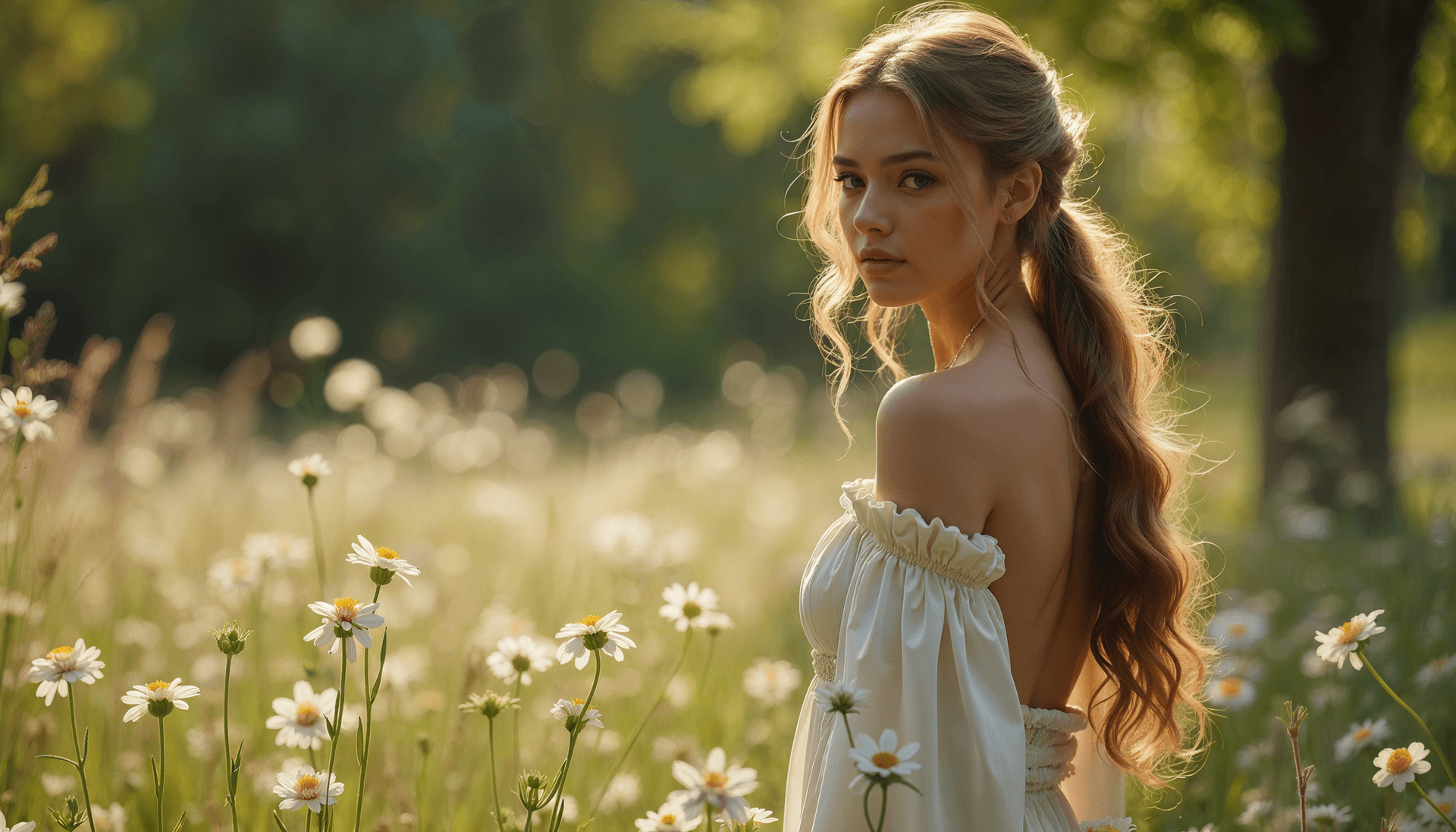
Top AI Image Generators 2026 Comparison Table
| Rank | Tool | Best For | LM Arena Score | Pricing (approx.) | Key Strength | Key Weakness |
|---|---|---|---|---|---|---|
| 1 | GPT Image 1.5 | Text, photorealism, prompts | 1264 | $0.04–0.08/image or ChatGPT Plus $20/mo | Perfect text & details | Slower generation |
| 2 | Gemini 3 Pro Image | Speed, editing, global use | 1235 | Free tier; $20/mo Advanced | Fast & conversational | Watermarks on free |
| 3 | Flux 2 Max | Customization, open-source | 1168 | Free local / cloud varies | Full control & fine-tuning | Needs setup for local |
| 4 | Ideogram 3.0 | Text in images, logos | High (text leader) | Free credits; $8+/mo | Sharp legible text | Public by default |
| 5 | Midjourney v7 | Artistic styles | ~1138 | $10–120/mo | Stunning aesthetics | Discord-based interface |
Detailed Reviews: What Works and What Doesn’t
GPT Image 1.5 (via ChatGPT)
This is the current champion. It nails complex prompts, renders text clearly, and handles photorealism with natural lighting and textures. Integrated into ChatGPT, you can refine images conversationally (“make the background sunset instead”).
Actionable tip: Use it for marketing or social media – it follows instructions better than most.
But it’s slower and costs add up if you generate a lot. Ever waited 30 seconds for one image? That’s the trade-off.

Gemini 3 Pro Image
Google’s tool wins for speed and editing. Change outfits, backgrounds, or add objects in seconds. Great for users in India or other regions where free access matters – the free tier is generous.
Field Notes: In tests, Gemini handled diverse cultural prompts (Bollywood scenes, Diwali lights) better than others. Minor issue: free images carry watermarks.
Question: If you need quick iterations, why pay for slower tools?
Flux 2 Max
The open-weight favorite. Run it locally for privacy, fine-tune on your photos, or use cloud hosts. Photorealism is strong, and custom models push quality higher.
Actionable tip: Start with free playgrounds like Fal.ai or Hugging Face.
Slight controversy: If you hate vendor lock-in, why stick with closed models?
Ideogram 3.0
Still the text king. Logos, posters, memes – text looks sharp and integrated. Free daily credits make it easy to test.
Master Prompt Example for Text:
Vintage movie poster "Epic Quest 2026" in bold gold serif font, dramatic red background, heroic figure silhouette, 1950s style, sharp legible text, high contrastMidjourney v7
Artistic excellence. Textures, colors, and composition feel painterly. Community inspiration is huge.
But the Discord interface? In 2026 it feels dated.
Master Prompt Example for Artistic:
Surreal floating islands in pastel skies, cyberpunk neon accents, Studio Ghibli whimsy meets Van Gogh swirls, vibrant colors, cinematic lighting, 8k detailBest Free AI Image Generators in 2026
Tight budget or testing? These deliver real value:
- ChatGPT free tier – limited but high quality.
- Gemini free – fast and no signup hassle for basics.
- Flux via playgrounds – unlimited if local.
- Craiyon – unlimited free, ad-supported fun.
In India or Russia, free tiers or local runs avoid currency and access issues.
Beginner Guide: How to Choose and Start
- Define your need – Photorealism? GPT or Flux. Art? Midjourney. Text? Ideogram.
- Try free first – ChatGPT or Gemini.
- Craft clear prompts – Subject + style + details + mood.
- Iterate – Refine with feedback.
- Save and credit – Always note the tool for commercial work.
Actionable tip: Start simple: “A red apple on white table, photorealistic, natural light.”
Master Prompt Example for Photorealism:
Photorealistic portrait of a confident Russian engineer in modern office, detailed skin pores, soft window light, 50mm lens, 8k resolution, natural colorsMidjourney vs GPT Image vs Flux: Head-to-Head
- Prompt adherence – GPT wins.
- Artistic flair – Midjourney.
- Control & privacy – Flux.
No single winner. Depends on you.
Commercial Use and Pricing
Most allow commercial use (check terms):
- Adobe Firefly – safest (licensed training).
- GPT, Gemini – yes with attribution in some cases.
- Midjourney – yes on paid plans.
- Flux – open, fully yours.
Costs range from free to $20/mo for heavy use.
What These Tools Get Wrong (Limitations)
- Hands and fingers still glitch sometimes.
- Complex compositions can ignore details.
- Bias in outputs (e.g., stereotypes in people images).
- “Hallucinations” – extra objects or wrong anatomy.
Always double-check critical work.
Common Issues and Fixes
Issue: Bad text → Use Ideogram. Issue: Inconsistent faces → Use Flux fine-tuning. Issue: Slow → Switch to Gemini.
Conclusion
2026 is the year AI image tools became truly useful, not just novelty. GPT Image 1.5 leads for most people, but Gemini, Flux, and others fit specific needs better. The gap between free and paid is shrinking fast.
Try one today. Copy a prompt above and generate something.
Challenge: Create an image of “your dream workspace” using your favorite tool. Share it in the comments – which generator did you use and why? Let’s see what wins in real hands.
What tool surprised you most? Drop your thoughts below – let’s build the conversation.
AI Image Generator FAQs :-
What is the best AI image generator in 2026?
GPT Image 1.5 tops LM Arena benchmarks at 1264 for superior text rendering, photorealism, and prompt accuracy.
Which AI image generator is completely free?
Gemini free tier and ChatGPT limited free deliver high-quality results; Flux 2 Max runs unlimited locally via Hugging Face playgrounds.
Is GPT Image 1.5 better than Midjourney?
Yes for prompt adherence and text (91% accuracy); Midjourney v7 wins artistic styles but requires Discord.
Can AI image generators handle text in images?
Ideogram 3.0 leads with sharp, legible typography for logos and posters; GPT Image 1.5 follows closely.
How do I access Flux 2 Max?
Run free locally for privacy or use cloud playgrounds like Fal.ai; scores 1168 on customization.
What’s the fastest AI image generator?
Gemini 3 Pro at 1235 LM Arena generates in 3-5 seconds with easy conversational edits.
Best for photorealism?
GPT Image 1.5 or Flux 2 Max for natural lighting and details; prompt: “photorealistic portrait, 8k, natural light”.
Suggested External Resource Links
These boost your SEO with dofollow value – link for audience wins like 2x traffic.
LM Arena Leaderboard: Verify live 2026 benchmarks yourself – no guesswork, pure data dominance.
Flux Playground on Hugging Face: Run Flux 2 Max free now – customize images uniquely, privacy assured.
Gemini 3 Pro Docs: Unlock free tier edits – iterate 5x faster, global access no hassle.
Ideogram Prompt Guide: Master text logos instantly – generate sellable designs in minutes.

Animesh Sourav Kullu is an international tech correspondent and AI market analyst known for transforming complex, fast-moving AI developments into clear, deeply researched, high-trust journalism. With a unique ability to merge technical insight, business strategy, and global market impact, he covers the stories shaping the future of AI in the United States, India, and beyond. His reporting blends narrative depth, expert analysis, and original data to help readers understand not just what is happening in AI — but why it matters and where the world is heading next.