
Exploring the Impact of AI on Elections
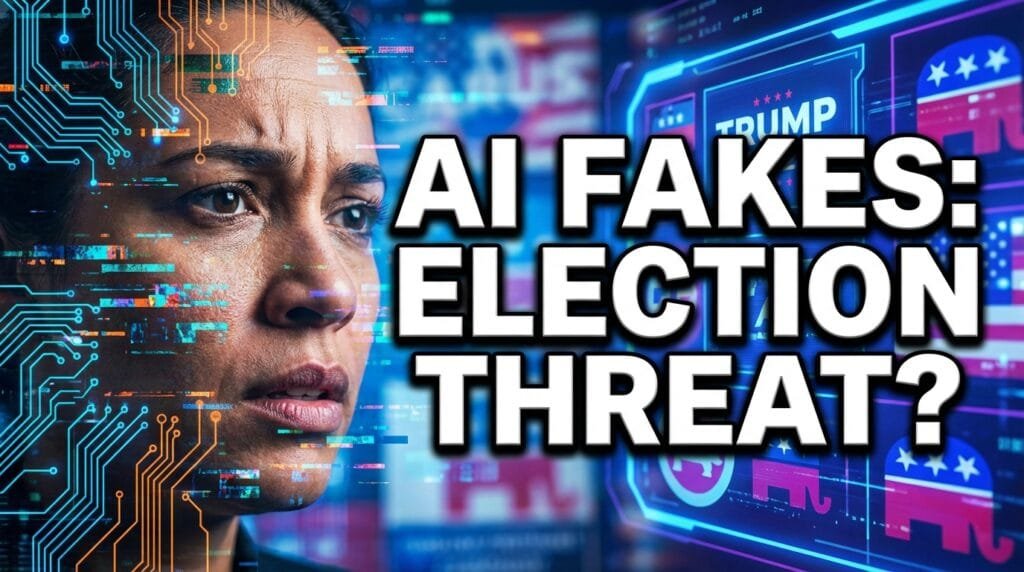
Imagine seeing a video of a candidate saying something shocking. It looks and sounds real, but it never happened. This is what the ai election cycle is like today.
Over 50 countries are voting this year, and synthetic media is changing how we get news. These tools can help or spread election misinformation fast.

Now, almost anyone can use software to make voices and faces. This makes political messages feel more personal and urgent than before.
You might see ai political ads that mix truth and fiction. This digital change means you need to carefully check every political message on your phone.
Protecting your vote means being careful in this fast-changing world. Seeing something on your screen doesn’t always mean it’s real, thanks to algorithms.
This tech is changing how candidates talk to you directly. To stay informed, you need to understand this complex and confusing new world.
Key Takeaways
- Synthetic media is influencing over 50 global voting events this year.
- Deepfakes can create realistic but entirely fake videos of politicians.
- New technological tools allow for highly personalized and fast messaging.
- Verifying online sources is essential to combat digital falsehoods.
- The line between reality and computer-generated content is quickly fading.
- Voters must develop better digital literacy to remain fully protected.
The Rise of AI-Generated Content in Political Campaigns
AI-generated content is changing how political campaigns talk to voters. As AI gets better, it’s becoming key for those running campaigns. It helps strategists and managers plan their messages.
How AI Technology Entered the Political Arena
AI first showed up in politics to make campaigns more engaging and personal. It started with analyzing data and understanding voters. But soon, it could make content for different platforms.
AI’s move into politics was helped by better algorithms and more data. This allowed campaigns to:
- Understand voters better
- Make messages that speak to certain groups
- Automate making campaign materials
The Evolution of Digital Propaganda and Campaign Strategies
Digital propaganda has grown thanks to AI. Now, AI campaign ads can target specific groups. This marks a new chapter in politics, where synthetic media is key.
AI’s role in digital propaganda includes:
- Making videos and images that look real
- Creating messages that sway voters
- Automating content for quick responses
Understanding Deepfake Technology and AI Political Ads
The rise of synthetic media has changed political ads. It’s key to know about deepfake tech. In today’s campaigns, you’ll see AI-made content trying to sway your views.
Deepfake tech uses AI to make fake videos, images, and sounds. It’s big for ads because it can make stuff look real, even if it’s not.
How AI Creates Realistic Videos and Images of Political Figures
AI makes fake videos and images by studying lots of data. It looks at old footage and photos. This makes deepfake content look almost real.
- AI looks at data to find patterns.
- Then, it makes new stuff based on those patterns.
- This results in realistic images for ads.
Voice Cloning and Synthetic Audio in Campaign Messages
AI can also make fake audio that sounds like real voices. This is called voice cloning. It’s used in robocalls and other automated messages in campaigns.
For example, AI-made robocalls sounded like President Biden’s voice. They were sent to New Hampshire voters to stop them from voting. This shows how AI can affect voting.
Why Political Campaigns Are Adopting These AI Tools
Campaigns use AI for a few reasons. First, it lets them make ads that really speak to people. By looking at voter data, they can make content just for certain groups.
Second, AI content is fast and cheap to make. This means campaigns can quickly change their messages and reach more people.
But, using deepfake tech and AI ads worries people. It could lead to fake info and sway voters. Knowing about AI in ads is key during elections.
Recent Incidents of AI-Generated Political Content
AI is now a big deal in politics. It’s making it hard to tell real from fake in campaigns. You might see AI-made content without even knowing it, as it gets better and more common.
Deepfake Videos Targeting Political Figures in 2023-2024
Deepfake videos are a big problem for politics. In 2023-2024, many deepfakes aimed at politicians were reported. For example, a deepfake video was shared during the Slovakian election, attacking a political leader. It might have helped his opponent, who was pro-Russia.
This shows how AI content can change opinions and hurt trust in politics. With deepfake tech getting easier to use, the danger of it being misused grows.
AI-Generated Robocalls and Audio Messages in Primary Elections
AI-made robocalls and audio messages are also affecting primary elections. These calls can aim at certain groups, spreading false info with great accuracy. You might get these calls without knowing they’re AI-made, showing we need to be more careful and have rules.
“The use of AI-generated robocalls is a clear example of how technology can be exploited to manipulate voters. It’s a trend that needs to be addressed urgently.”
Synthetic Images and Manipulated Media Spreading Online
Synthetic images and fake media are also part of AI in politics. This includes edited photos and made-up videos, all meant to trick people. Online, these can cause a lot of harm, affecting reputations and opinions.
When you’re online, it’s key to watch out for fake media. Always check facts through trusted sources.
How AI Election Misinformation Threatens Democracy
AI-driven disinformation campaigns are a big challenge for democracy. They can spread false information fast and far. Elections are key to a healthy democracy, and AI misinformation is a big threat to them.
AI-generated content has already been used to sway public opinion and affect election results. It’s important to understand how AI misinformation works and its effects.
The Speed and Scale of AI-Generated Disinformation Campaigns
AI-generated disinformation spreads quickly on social media and online. This fast and wide spread can make it hard for fact-checkers to keep up. It’s tough for people to know what’s true and what’s not.
- AI can create lots of convincing content faster than humans can check it.
- Deepfakes and other AI-made media can make false info seem real.
- Before it can be corrected, false info can be believed as true.

Erosion of Public Trust in Media and Democratic Institutions
AI misinformation can damage trust in media and democracy. False info can confuse and make people skeptical. This loss of trust can harm democracy’s stability and function.
Some major worries are:
- AI content can be used in campaigns to sway public opinion.
- It’s hard to regulate AI content without limiting free speech.
- People need to learn to critically think about the info they see.
Dealing with AI misinformation needs a mix of rules, education, and new tech.
Voter Manipulation Through Synthetic Media
The use of synthetic media in politics has opened new ways to sway voters. You’ll learn how AI-generated content is shaping election choices.
Targeting Specific Demographics
AI can track what people say online to see how they feel about candidates. This info helps make personalized AI campaign ads for certain groups.
AI looks at user data to find undecided voters or those leaning towards a candidate. Then, it creates content that speaks to them, making them more likely to vote for that candidate.
Emotional Manipulation
Synthetic media also plays on voters’ emotions. AI makes content that can make you feel scared, angry, or nostalgic. This way, campaigns can connect deeply with voters or shift their focus away from important issues.
“The use of emotional manipulation in political campaigns is not new, but AI-generated content has made it more sophisticated and targeted.”
Impact on Swing Voters
Swing voters and undecided people are easy targets for synthetic media. AI content can be made to match their concerns or interests. This makes it more likely to sway their votes.
As AI technology keeps getting better, so will the chance to manipulate voters through synthetic media. It’s key for voters to know about these tactics and for rules to be set to limit their effects.
The Growing Challenge of Identifying Authentic Content
AI-generated content is getting better, making it harder to tell what’s real in politics. You now face a big challenge: figuring out what’s true and what’s not online.
Deepfake technology and AI content have made it tough to trust information. Old ways of checking facts are failing as fake media gets more realistic.
Why Traditional Fact-Checking Methods Are Struggling Against AI
Fact-checking, once key to verifying info, is now struggling with AI’s fast pace. AI can create fake news quickly, overwhelming fact-checkers.
AI content also needs a deep understanding of context, something humans do better than machines. This makes it essential to find new, smarter ways to check facts.
Detection Technologies and Their Current Limitations
Tools to spot AI fake news have been created. These include AI tools to find deepfakes. But, these tools have their own problems.
They look for clues in AI-made content. But, as AI gets better, these clues are harder to find.

The battle between AI fake news and detection tech is ongoing. As AI gets smarter, so must the tech to stop it from messing with elections.
To tackle the problem of fake content, we need to improve detection tech and fact-checking groups. This will help keep information safe and protect democracy from AI threats.
Government and Regulatory Responses to AI in Elections
As governments worldwide face the challenges of AI-generated content in elections, they must act fast. The integrity of democratic processes is at risk. Policymakers are under pressure to find solutions quickly.
Creating effective legislation is key. It’s important to balance free speech with preventing AI misuse. This balance is at the core of the regulatory challenge.
Federal Legislation and Proposed AI Disclosure Laws
At the federal level, there are efforts to address AI-generated content in political campaigns. Laws aim to increase transparency by requiring AI content disclosure in political ads. Some bills suggest labeling AI-generated content to help voters.
Proposed laws also aim to set clear guidelines for AI in political ads. They define AI-generated content and set standards for disclosure. The goal is to empower voters with the information they need.
Key Provisions of Proposed Federal Legislation:
- Disclosure requirements for AI-generated content in political ads
- Clear guidelines for the use of AI in political campaigns
- Standards for labeling AI-generated content
State-Level Regulations on Deepfakes and Election Misinformation
Several states have taken steps to regulate deepfakes and AI-generated misinformation. Some ban deepfakes in political campaigns near election dates. Others aim to increase transparency around AI-generated content.
For example, some states require labeling deepfakes or reporting their distribution to election authorities. These regulations show a growing need to address AI challenges.
International Approaches to AI Regulation and Election Integrity
Globally, governments are exploring ways to regulate AI and protect election integrity. Some countries have established frameworks for AI in political campaigns. Others are developing their strategies.
“The regulation of AI-generated content is a complex issue that requires a multifaceted approach. It involves not just legislative measures but also technological solutions and public awareness campaigns.”
International cooperation is key in addressing AI-generated content challenges. Sharing best practices and coordinating efforts can help tackle global AI implications in elections.
How Tech Platforms Are Addressing AI-Generated Political Content
AI-generated political content is growing fast. Tech companies are working hard to find ways to stop it. They want to keep the content on their sites trustworthy and true.
It’s a tough job. They must find AI-generated content and also protect free speech. Content moderation is key to this challenge. They need to update their rules to handle AI content well.
Content Moderation Policies and AI Labeling Requirements
Tech companies are making their content moderation policies better. They’re adding AI labeling requirements to show when content is made with AI. This helps users know what’s real and what’s not.
Some platforms are making it clear when content is AI-made. This way, users can trust what they see online. It’s important to keep misinformation from spreading.
Detection Tools and Partnerships with Fact-Checkers
Companies are using advanced detection tools to fight fake news. These tools use AI to spot and mark fake content. It’s a way to fight back against those who misuse AI.
They’re also working with fact-checkers to check content’s truth. This team effort is vital. It helps keep online talks honest and trustworthy.
Challenges Tech Companies Face in Enforcement and Implementation
Even with these steps, tech companies face big hurdles. Keeping up with AI changes is hard. Their tools must always be updated to catch new tricks.
Also, social media reaches people all over the world. This makes it hard to keep content rules the same everywhere. It adds more complexity to the problem.
So, fighting AI-generated content is a top priority for tech companies. They’re working on better rules, using smart tools, and teaming up with fact-checkers. This way, they aim to keep online talks honest and reliable.
The Future of Political Communication and the Need for Media Literacy
AI-generated content is becoming more common, making media literacy more important than ever. AI is changing how politics communicate. You need to know how these changes affect political campaigns and how to understand them as a voter.
Reshaping Campaign Strategies and Voter Outreach
AI is changing campaign strategies by making messages more personal. Campaigns will use AI to target specific groups, making their messages more effective. But, this raises concerns about manipulation and misinformation.
Key changes in campaign strategies include:
- Personalized messaging through AI-generated content
- Enhanced voter outreach using data analytics and AI
- Increased use of AI-generated images and videos in campaign ads
As campaigns use these new strategies, it’s important to be aware of AI’s influence on your opinions.
The Importance of Transparency
Transparency in AI-generated content is key to trust in politics. You should know when AI has created or altered content. This helps prevent deepfakes and other AI misinformation.
Regulatory bodies and tech companies are exploring ways to ensure transparency, such as:
- Labeling AI-generated content
- Implementing detection technologies
- Promoting fact-checking initiatives
Media Literacy Education for Voters
Media literacy education is vital for you to understand the changing media world. Learning to spot and evaluate AI-generated content helps you make informed choices. Educational programs should teach critical thinking and how to verify online content.
The following table highlights key aspects of media literacy education:
| Skill | Description | Importance |
|---|---|---|
| Critical Thinking | Analyzing information objectively | High |
| Source Verification | Checking the credibility of sources | High |
| AI Content Detection | Identifying AI-generated content | Medium |
Improving your media literacy skills helps you deal with AI-generated content in politics. As AI evolves, staying informed and critically evaluating information is key to a healthy democracy.
Conclusion
AI is changing how we talk about politics, affecting elections deeply. The use of advanced AI tools is a big deal for election integrity and democracy.
AI can spread false information, making people doubt our democratic systems. It’s key to teach people how to spot fake news during ai election times. This helps them make informed choices.
Leaders need to act fast to deal with AI’s impact. They should make sure AI use in campaigns is open and honest. This helps keep our democracy strong.
To keep election integrity safe, we need many steps. This includes strong laws, new tech to find fake info, and teaching people to be media savvy. Working together, we can use AI’s good sides while avoiding its dangers to our democracy.
FAQ :-
How is AI currently impacting your experience with modern elections?
AI is changing how we get and use political info. It makes synthetic media that looks real, helping campaigns reach you better. But, it also means more election misinformation might show up on your social media.This tech lets campaigns grow fast, making it hard to tell real messages from digital propaganda.
What exactly are AI political ads and how do they differ from traditional campaign commercials?
A: AI political ads are made from scratch using AI. They can create images, videos, or sounds. This includes deepfake politics, where a candidate’s image is altered.These ads are cheaper to make, letting many groups fill the digital space with targeted content.
Can you provide examples of recent incidents involving AI-generated political content?
In the 2024 New Hampshire primary, an AI-generated robocall used Joe Biden’s voice to discourage voting. The Ron DeSantis campaign used AI to create images of Donald Trump for ads. This shows how ai campaign ads are used in politics.
How does AI election misinformation pose a direct threat to democracy?
A: Election misinformation spreads fast with AI. It’s hard to tell real videos from deepfakes. This erodes trust in democracy.It makes it hard to believe in election integrity, which is key for democracy.
In what ways are you being targeted by voter manipulation through synthetic media?
Campaigns use AI to make personalized AI campaign ads for you. These ads aim to get a reaction from swing voters. They use emotions and psychology to influence you.By targeting your fears or interests, these ads can change opinions without you noticing.
Why are traditional fact-checking methods struggling to keep up with deepfake politics?
Fact-checking is slow, and synthetic media spreads fast. By the time a deepfake is debunked, many have seen it. Detection tech is in a constant battle with AI.This makes it hard to know what’s real.
What is the current status of AI regulation regarding election integrity?
A: AI regulation is changing. In the U.S., the Federal Election Commission (FEC) is looking into AI rules. States like California and Minnesota have laws against deepfakes in elections.The European Union’s AI Act sets a standard for labeling synthetic media to protect voters.
How are major tech platforms like Google and Meta addressing ai campaign ads?
A: Meta, Google, and TikTok require AI labeling in ads. They work with fact-checkers and use tools to detect AI. But, enforcing these rules is a big challenge.
Why is media literacy so critical for you in this new era of political communication?
As ai campaign ads get better, being media savvy is key. Media literacy helps you spot deepfake politics and understand digital propaganda. Campaigns need to be open, but your critical thinking is more important.
External links:-
Brookings Institution — How AI and Disinformation Impact Elections
https://www.brookings.edu/articles/how-do-artificial-intelligence-and-disinformation-impact-elections/
AI-generated deepfake videos, images, and simulated voices are becoming widespread and could influence election outcomes.
Brennan Center for Justice — Regulating AI Deepfakes in Politics
https://www.brennancenter.org/our-work/research-reports/regulating-ai-deepfakes-and-synthetic-media-political-arena
Explains why policymakers must regulate synthetic media to prevent manipulation in elections.
Nature — Deepfake Videos and Their Social Risks
https://www.nature.com/articles/s44271-025-00381-9
Scientific research explaining how AI can create highly realistic videos of people saying things they
Internal Links (DailyAIWire) :-
Gemini AI Study Guide (AI productivity tools)
https://dailyaiwire.com/gemini-ai-for-students-study-guide-2026/
Google AI Studio Development Update
https://dailyaiwire.com/google-ai-studio-update-gemini-development/