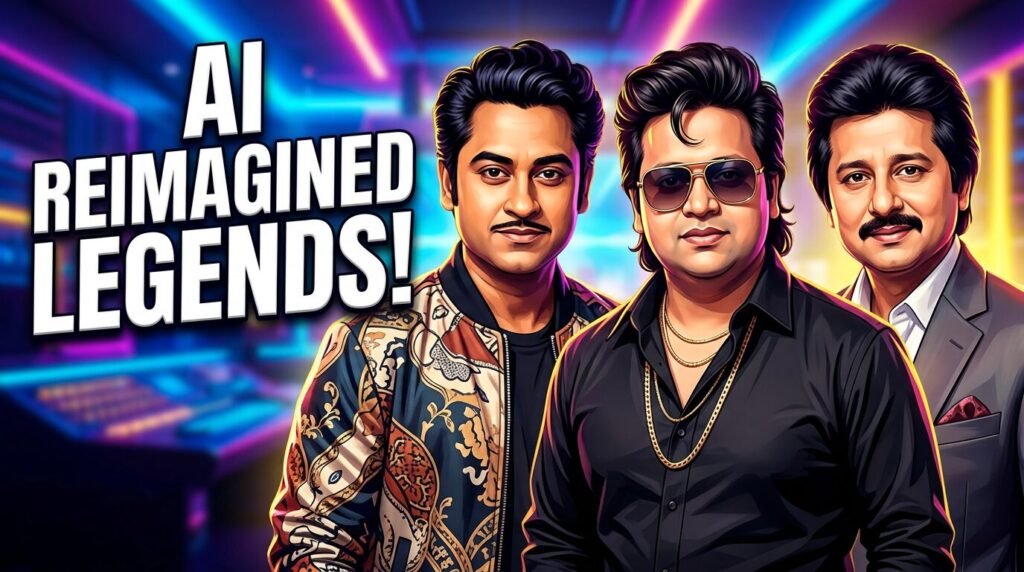
| AI-generated portraits of Kishore Kumar, Pankaj Udhas, Bappi Lahiri and other legends have gone viral. But beyond the spectacle, they raise a question worth sitting with: what happens when nostalgia meets generative AI? |
| A set of AI-generated images recently took Indian social media by storm. The concept was simple: take legendary Indian singers — artists who defined decades of music — and reimagine them as young men styled for 2026. Sharp jawlines, tailored outfits, modern haircuts. The kind of portraits that look like they belong on a GQ cover rather than in a dusty photo album.The images, which first surfaced on Hindustan Times and quickly spread across Instagram and X, featured singers like Kishore Kumar, Pankaj Udhas, Bappi Lahiri, and several other icons of Hindi film music. The reaction was immediate and emotional — millions of views, tens of thousands of shares, and comment sections overflowing with nostalgia.But strip away the viral moment, and there’s a more interesting story here about how AI is reshaping our relationship with cultural memory. |
The Legends, Reimagined
The Eternal Voice · 1929–1987
Kishore Kumar
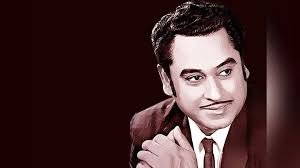
The AI portrait gives Kumar the look of a Bombay indie musician circa 2026 — textured hair, a fitted linen shirt, the hint of a knowing smile. It’s strikingly believable. Kumar was already considered unconventionally handsome in his time. What the AI does is strip away the era-specific styling — the heavy spectacles, the 70s collars — and replace it with contemporary markers of style. The underlying bone structure, the expressive eyes, remain. The result: you can immediately see why he’d dominate any era, not just his own.
The Ghazal King · 1951–2024
Pankaj Udhas
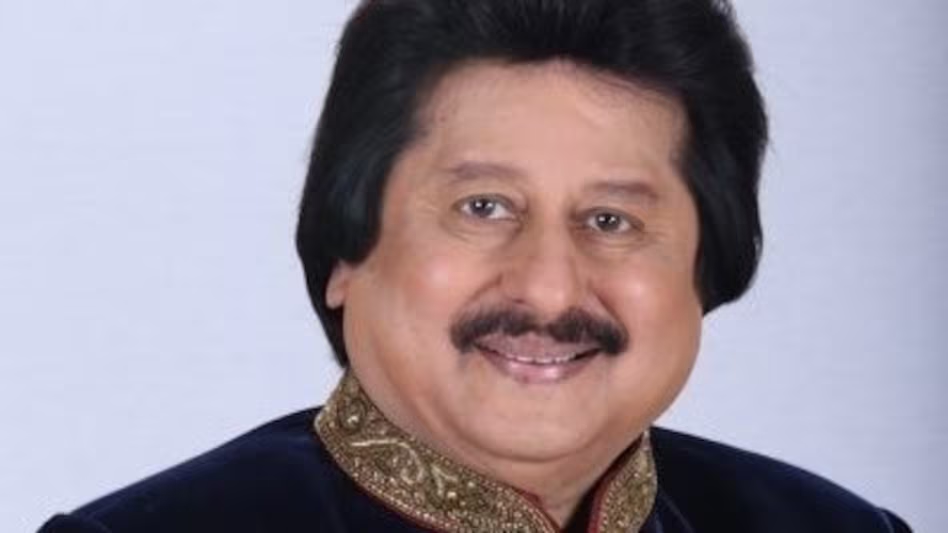
Udhas’s reimagined portrait trades his signature formal kurta for something between smart-casual and Indo-western. The AI retains his composed, gentle expression — the quality that made him the voice millions turned to for heartbreak and longing. The modern version looks like he could walk into a high-end Mumbai lounge and perform an unplugged set. In an era of auto-tuned pop, Udhas’s AI portrait is a quiet reminder of a time when vocal purity was the entire point.
The Disco King · 1952–2022
Bappi Lahiri
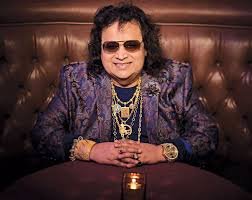
This is the one that drew the most dramatic reaction. Lahiri — famous for his gold chains, round face, and larger-than-life persona — gets the most extreme makeover. The AI version is lean, sharp-featured, with an understated modern look. And that’s precisely the problem, according to many commenters. Lahiri’s visual identity was inseparable from his music. The gold, the flamboyance — those weren’t things to be “fixed.” They were the brand. The AI version is handsome, sure. But is it Bappi Da? That’s the debate.
Also featured in the original collection: Mohammad Rafi, Mukesh, Manna Dey, Hemant Kumar, and other golden-era playback singers — each reimagined with varying degrees of success and controversy.
The Bigger Picture: AI as a Nostalgia Machine
These images didn’t go viral because people care about AI image generation. They went viral because they touched something emotional — the desire to see beloved, often deceased artists through a fresh lens. To imagine them walking among us today.
This is a pattern worth watching. AI-generated nostalgia content is becoming its own genre:
The appeal is clear. For younger Indians who know these voices only through their parents’ playlists or retro Spotify sessions, these portraits create a visual connection that old black-and-white photos don’t. They bridge a generational gap. A 22-year-old who has never seen Kishore Kumar outside a grainy YouTube clip suddenly sees someone who looks like he could be on their Instagram feed.
The concern is equally clear. These images are fabrications. They project current beauty standards onto people who lived in different times with different aesthetics. The “modern” versions are almost universally leaner, sharper-featured, and more conventionally attractive by 2026 standards. That’s not reimagination — it’s revision. And there’s a meaningful difference.
The ethical grey zone is real. None of these artists consented to their likeness being AI-manipulated. Kishore Kumar died in 1987 — nearly four decades before this technology existed. The legal frameworks around posthumous AI likeness rights in India remain weak and largely untested.
Editor’s take: The virality of these images tells us more about our collective hunger for cultural continuity than it does about AI’s capabilities. The technology is the vehicle. The emotion is the fuel. Whether that’s a beautiful thing or a dangerous one depends entirely on where the line gets drawn — and right now, nobody’s drawing it.
Quick Hits: AI + Culture This Week
Bollywood goes synthetic. Reports suggest at least two major Hindi film productions are experimenting with AI voice cloning to recreate classic playback singing styles for upcoming period films. No names confirmed yet, but industry insiders say announcements are imminent.
India’s AI art copyright debate heats up. The Delhi High Court is reportedly considering a PIL on AI-generated images of public figures and deceased celebrities. The outcome could set precedent for the entire South Asian creative industry.
Global context. This follows a similar trend in the West — AI-generated young versions of Elvis, Freddie Mercury, and Tupac have gone viral on TikTok over the past year, sparking identical debates about consent, legacy, and cultural ownership.
Why This Matters for the AI Space
If you’re building in AI, watching the cultural layer is not optional anymore. The fastest adoption of generative AI isn’t happening in enterprise software or developer tools. It’s happening in emotionally-charged content creation — nostalgia, fan art, cultural reimagination. The use cases that drive engagement are the ones that make people feel something.
For India specifically, the intersection of AI and cultural heritage is going to be one of the defining conversations of the next few years. With 1.4 billion people, deep cultural roots, and a rapidly growing AI ecosystem, the stakes are higher here than almost anywhere else.
Stay sharp on AI + Culture
Forward this to someone who’d find it interesting.
Subscribe to DailyAIWire if you haven’t already.
Until next time,
The DailyAIWire Team
Disclaimer
No affiliation with the artists or their estates. DailyAIWire is not affiliated with, endorsed by, or connected to any of the artists, their families, estates, or record labels mentioned in this newsletter. All references to Kishore Kumar, Pankaj Udhas, Bappi Lahiri, and other artists are for editorial commentary and news reporting purposes only.
AI-generated images are not real photographs. The images discussed in this newsletter were created using artificial intelligence tools. They do not represent actual photographs of these artists and should not be treated as authentic likenesses. These are computer-generated interpretations, not factual depictions.
Editorial opinion, not legal advice. The views expressed regarding AI ethics, copyright law, and posthumous likeness rights are editorial commentary. They do not constitute legal advice. Readers should consult qualified legal professionals for guidance on intellectual property and digital rights matters.
Third-party content. This newsletter references and links to content published by third-party sources including Hindustan Times and others. DailyAIWire does not control, verify, or take responsibility for the accuracy of third-party content. Links are provided for reader convenience and do not imply endorsement.
Fair use. All commentary on AI-generated images falls under fair use for the purposes of news reporting, criticism, and education under applicable copyright law. No AI-generated images are reproduced in this newsletter without appropriate context and attribution.
About This Newsletter & Our Editorial Standards
Experience. DailyAIWire covers the intersection of artificial intelligence and culture with hands-on knowledge of generative AI tools, image synthesis models, and the Indian entertainment industry. Our editorial team actively tests and evaluates the AI technologies we report on, giving us first-hand understanding of their capabilities and limitations — not just secondhand reporting.
Expertise. Our coverage draws on deep knowledge of both AI technology and Indian music history. When we write about Kishore Kumar or Bappi Lahiri, we understand their artistic legacy, cultural significance, and the technical details of how AI image generation models interpret and reconstruct human likenesses. We don’t just report trends — we explain the technology and cultural context behind them.
Authoritativeness. DailyAIWire is a dedicated publication focused exclusively on AI developments, with particular depth in AI’s impact on media, culture, and creative industries. We cite primary sources, reference original reporting, and distinguish clearly between confirmed facts, industry reports, and editorial analysis. When information is unverified or speculative, we say so explicitly.
Trustworthiness. We maintain a clear separation between news reporting and editorial opinion (marked as “Editor’s take”). We disclose when content references AI-generated material. We do not use misleading headlines or clickbait. We correct errors promptly and transparently. Our subscriber data is never sold or shared with third parties. Readers can contact us directly at editorial@dailyaiwire.com with corrections, feedback, or questions.