


AI may speed up filing, but it cannot replace accountability.
A post doing lots number on social media (India) this seven-day period claims an AI (Claude) handled salaried worker’s entire income tax return. No chartered accountant needed, No filling fee. No three hour gone on portal. The pitch is attractive, and during filing season it Traveling fast. It is also unverified, and it leaves out the parts that actually decide whether you get a tax notice
What the post actually says
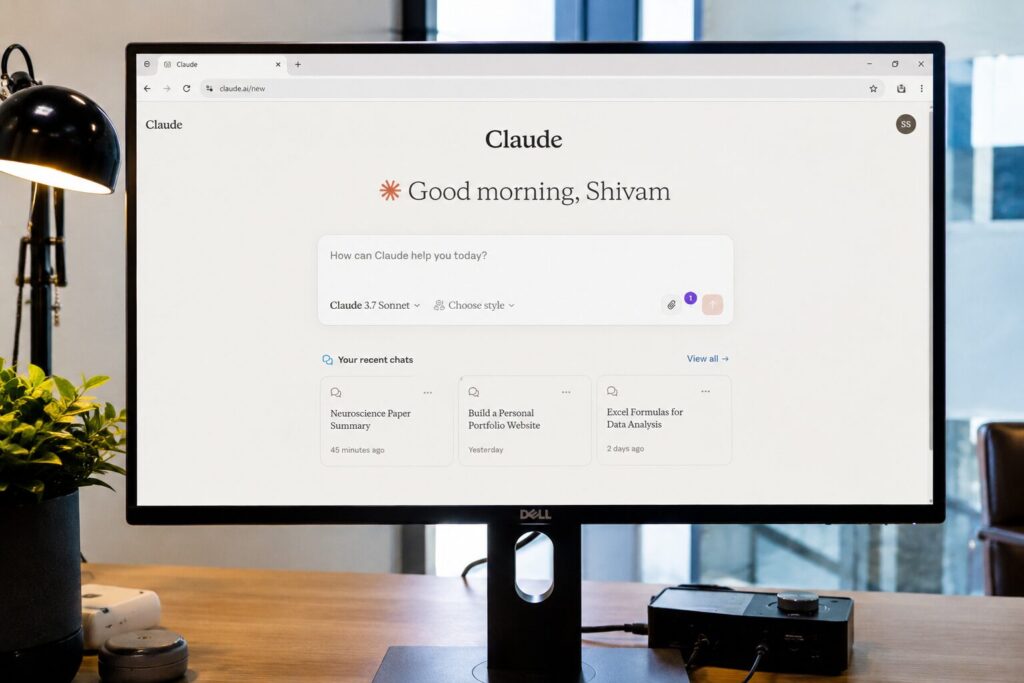
An X user, Vyom (@HelloVyom), wrote that he filed his ITR-1 using Anthropic’s Claude desktop app. By his account, he handed Claude his Form 16, and the app opened the Income Tax Department portal, cross-checked his salary against the Annual Information Statement, flagged a discrepancy, handled a mid-year job switch, recovered from session timeouts, fixed a validation error and submitted the return. He called it “a CA sitting next to me” and told other salaried ITR-1 filers to try it.
One thing to keep front of mind. This is a single person’s social media claim. The outlet LatestLY, which covered the debate, tagged its own report “unverified,” noting it rests on one user’s post with no independent confirmation. Nobody has reproduced or audited the filing. Treat it as an anecdote, not a tested workflow.
The technology is real, which is why it spread
The capability behind the claim is not science fiction. Claude’s desktop app can control a computer, open a browser, read documents and click through a website, which is what makes a story like “it navigated the tax portal” believable. This is the agentic direction the whole AI industry is moving in: software that does multi-step tasks on real websites instead of just answering questions. An income tax return is a vivid, high-stakes test of that idea.
Just because something looks convincing does not mean it is risk-free. Tax professionals are less concerned about whether an AI can complete the filing process and more concerned about the information it may miss and the decisions it cannot justify if questions arise.
The Form 16 trap
Here is the gap the viral post glosses over. Filing a salaried return correctly is not mainly a clicking problem. It is a completeness problem, and Form 16 alone does not make a return complete.
Chartered accountant Nitin Kaushik warned this month that leaning on Form 16 to settle your taxes is the fastest way to get a demand notice. His reasoning is simple. An employer can only calculate tax on the salary it pays you. It has no view of your other income. Take someone with ₹10 lakh in a fixed deposit earning 7 percent. That throws off ₹70,000 in interest. The bank cuts ₹7,000 in TDS, but a person in the 30 percent slab actually owes about ₹21,840 on it. The shortfall, roughly ₹14,840, is still due, and the tax department’s matching systems flag exactly that kind of mismatch.
An AI relying only on your Form 16 and a quick review of the AIS can easily miss important details. The AIS may not be fully updated, and the system has no way of knowing about an undisclosed bank account or freelance income you never provided. It may also choose the wrong return form. If your finances involve capital gains, business income, or foreign assets, filing ITR-1 could create unnecessary complications instead of saving time.
The part no AI can do: take responsibility
Strip away the convenience and one thing separates a chartered accountant from a chatbot. Accountability.
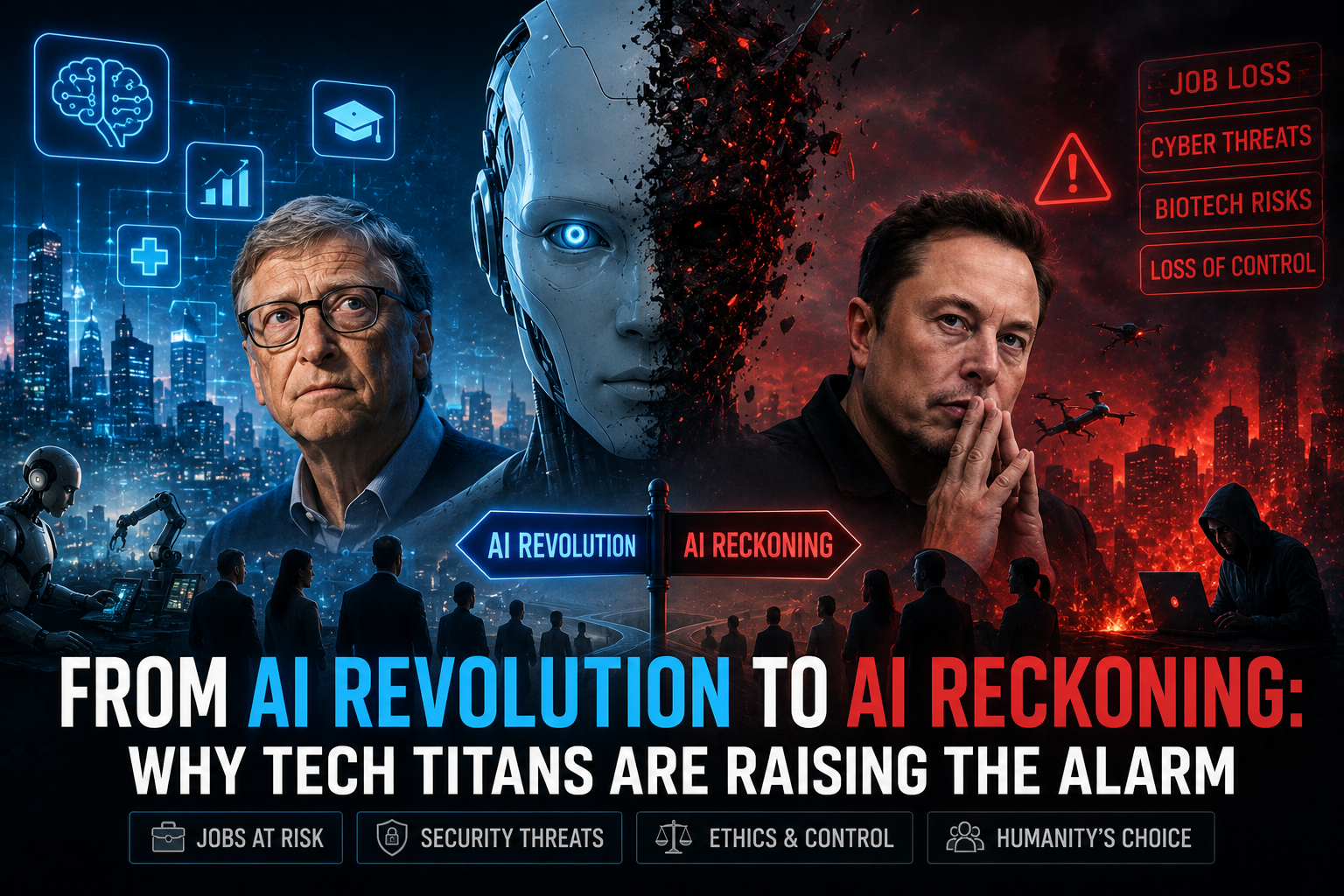
A CA signs off, stands behind the figures, and can represent you if a notice arrives. An AI cannot. India’s own accounting profession has been blunt about this. Guidance published through chartered-accountant forums stresses that AI tools hallucinate, depend on clean data, and cannot carry professional responsibility, and that in any matter of compliance, only a human can be held answerable. If your AI-filed return draws a Section 143(1)(a) intimation, the model will not answer it. You will. The legal responsibility for a return sits with the taxpayer regardless of what prepared it.
There is also a privacy cost that the “free CA” framing ignores. To do this, you hand an AI app your Form 16, PAN, salary and bank details, and let it log in to the government tax portal on your behalf. Practitioner guidance is explicit: never feed confidential financial data into public AI tools. India’s Digital Personal Data Protection Act raises the stakes on where that data goes and how long it is kept. A free filing is not free if it means your full financial identity passes through a third-party system you do not control.
And there is the basic reliability question. The same week this post went viral, Claude itself had an outage that users joked about online. An assistant that can stall mid-task is a thin reed to lean on for a legal deadline.
So is it useless? No. It is mislabelled.
The honest read is narrower than either the hype or the backlash.
As an assistant, an AI is genuinely useful for the parts around filing: explaining a confusing section in plain language, organising documents, spotting an obvious salary-versus-AIS mismatch, drafting a reply to a notice for a professional to check. Indian CAs are already using Claude this way in their own practices, for drafting and summarising rather than final decisions. The ICAI’s own AI guidance pushes the same line: keep a human in the loop, and be wary of “AI washing” that oversells what these tools independently do.
An AI can be a useful assistant, but it should not become the final authority on your tax return. If your situation is limited to a standard ITR-1 with one employer and no other income, the process may be relatively straightforward. However, for more complex cases, the safer approach is to let AI organize the details, verify the data using official records like the AIS and Form 26AS, and involve a professional when necessary. This discussion is informational and not a filing recommendation.
The viral version of this story sells a future where the CA is obsolete. The accurate version is more useful. The AI can hold the pen. It cannot sign the page.





















Leave a Reply