
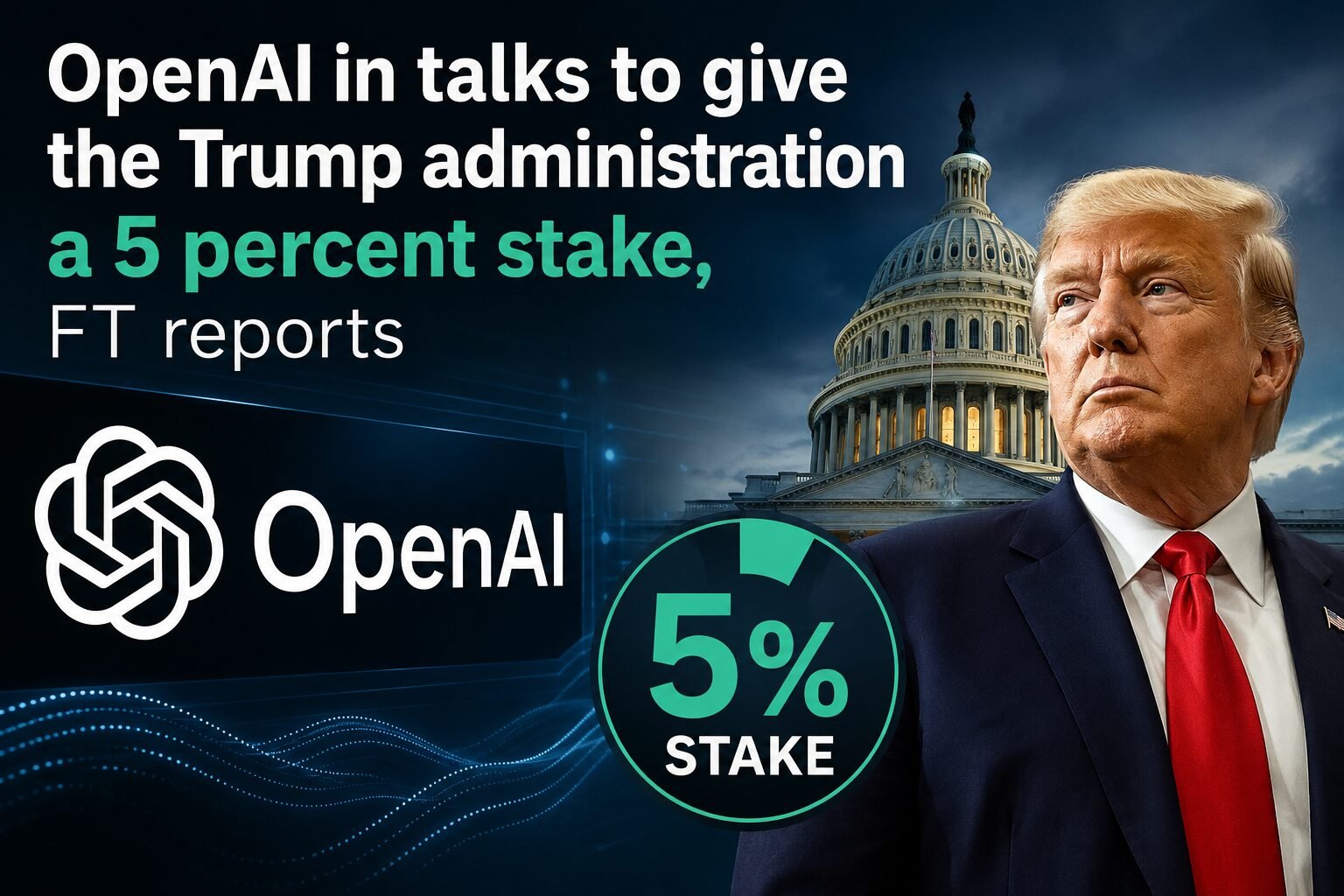
OpenAI, the maker of ChatGPT, is in early talks to hand the (Trump)US government a 5 percent stake in the company, the Financial Times reported on Thursday. At OpenAI’s latest valuation of about $852 billion, that share would be worth roughly $42.6 billion.
The report, which the FT based on two people familiar with the talks, says the stake would be donated rather than sold. OpenAI declined to comment, and the White House did not respond to requests for comment from CNN and other outlets.
What is being proposed?
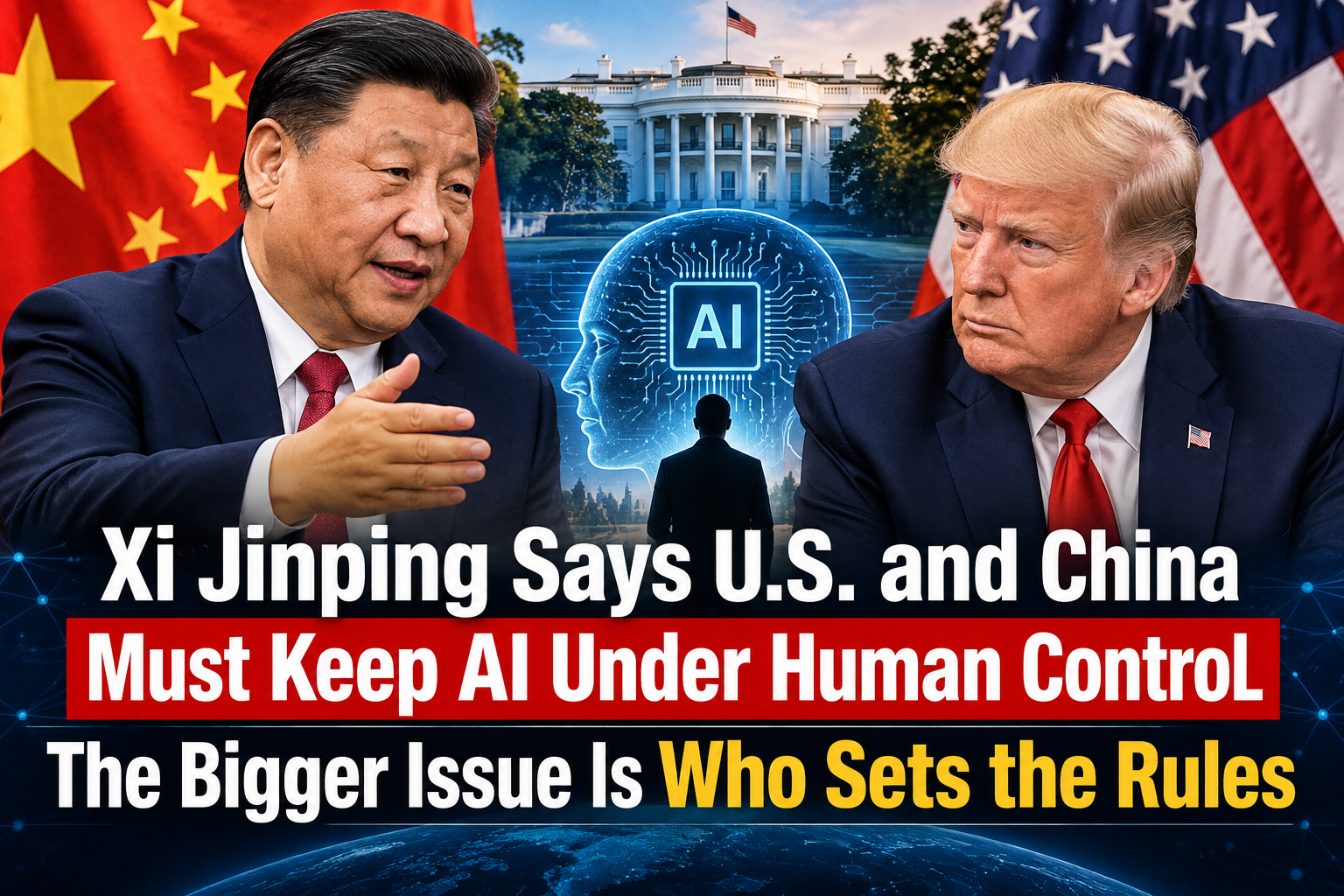
OpenAI chief executive Sam Altman has argued that giving the public a financial stake in the company is the best way to share the gains from AI. The idea is to feed the shares into a government fund, building on a “public wealth fund” plan OpenAI published in April. Trump signed an executive order in February to create a federal sovereign wealth fund, which such a donation would likely go into.
The plan is bigger than one company. Under the proposal, other US AI firms, including Anthropic, Google and Meta, would hand the government similar stakes. It is not clear whether any of them would agree.
Altman has discussed the idea with Trump, Commerce Secretary Howard Lutnick and Treasury Secretary Scott Bessent, according to the FT. He has also spoken with independent Sen. Bernie Sanders of Vermont, who has pushed for the government to take a much larger 50 percent stake in big AI companies.
The talks are described as early and “conceptual.” Any deal could require an act of Congress, so nothing is close to final.
Why now?
The proposal lands during a tense stretch between Washington and the AI industry. The government has grown more willing to step in, on two fronts.
One is national security. Reuters reported that a request from the administration led OpenAI to delay the wide release of its latest model, GPT-5.6, last week. Around the same time, rival Anthropic briefly suspended access to its most advanced models under government export controls, which were then lifted after talks.
The other is money. Officials have pressed AI companies on whether Americans will share in the industry’s soaring valuations, and on whether the companies will give back to the government that is clearing their path on energy, land, chips and rules. Both OpenAI and Anthropic are preparing to go public, which makes staying on good terms with regulators especially important right now.
This fits a wider pattern
A stake in OpenAI would add the company to a growing list in which the US government is a shareholder. During Trump’s second term, the administration has taken equity in several firms, often in exchange for support or relief.
| Company | Government stake | Details |
|---|---|---|
| Intel | About 10% | Through an $8.9 billion investment in August |
| MP Materials | About 15% | Critical minerals producer |
| Nvidia and AMD | Revenue share | Agreed to give the government a cut of China chip sales for export licenses |
| IBM and others | Equity stakes | Includes quantum computing and critical minerals firms |
Trump has welcomed the approach. He has called the government taking ownership in AI companies “a beautiful thing” that would make Americans partners in the technology’s growth. In May, he said he wished he had asked for a bigger share of Intel.
How it is being received ?
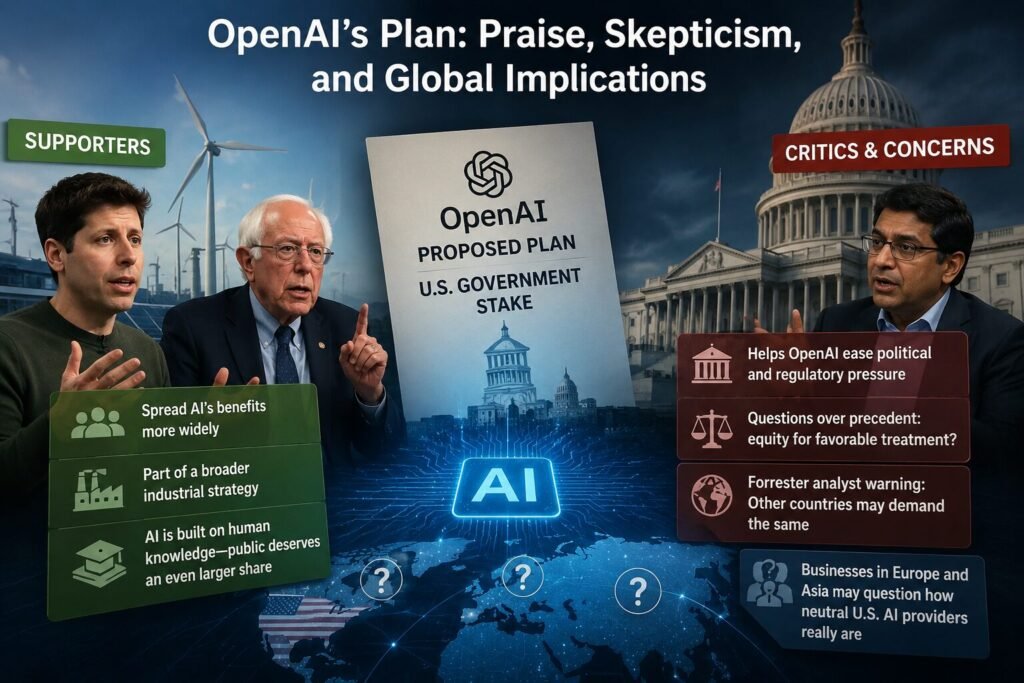
Supporters, including Altman, frame the plan as a way to spread AI’s benefits and as part of a broader industrial strategy. Sanders, from the political left, has argued the public deserves an even larger share, saying AI is built on human knowledge used without payment.
Critics and some analysts are more wary. Several outlets note the proposal would also help OpenAI ease political and regulatory pressure, and commentators have questioned the precedent of companies handing the government equity in return for favorable treatment. Forrester analyst Indranil Bandyopadhyay warned that a US stake could prompt other countries to demand the same, and could lead business customers in Europe and Asia to question how neutral US AI providers really are.
Questions readers are asking
Is the deal final? No. The talks are early and conceptual, and a deal could need approval from Congress.
How much is 5 percent worth? About $42.6 billion, based on OpenAI’s $852 billion valuation from March.
Would other companies take part? The plan calls for firms like Anthropic, Google and Meta to give similar stakes, but none have agreed.
Has the government done this before? Yes. It holds stakes in Intel, MP Materials, IBM and others taken during Trump’s second term.







Leave a Reply